
Headless CMS SEO Services in Delhi for Modern Websites
Headless CMS platforms and JavaScript frameworks offer exceptional speed and flexibility, but they can create serious SEO challenges if not configured correctly. Our Headless CMS SEO Services in Delhi ensure your website is fully crawlable, indexable, and optimized for maximum search visibility.
Headless Sites SEO-Optimised
Avg. Organic Traffic After Fix
JS Frameworks Mastered
Audit Report Delivery
Client Satisfaction Rate
We'll analyse your JS rendering and indexation status
Trusted by Engineering & Marketing Teams Building on Modern Stacks





























Headless Architecture Breaks SEO in Ways Most Agencies Don't Understand
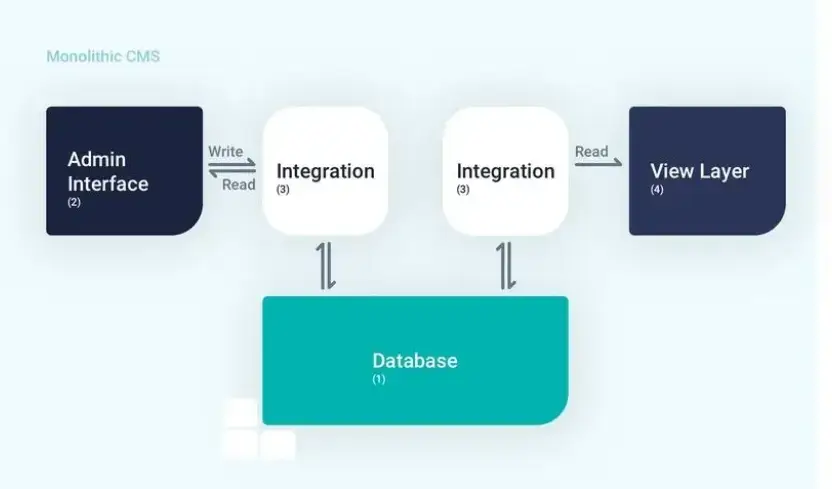
A headless CMS decouples content management from content presentation your content lives in a CMS like Contentful or Sanity, gets delivered via API, and is rendered by a JavaScript framework like Next.js or Gatsby in the browser. The result is extraordinary speed and flexibility for developers.
But here's the SEO problem: when JavaScript renders your content in the browser after the initial HTML is served, Googlebot may see an empty page or may render it incompletely. Content in your product descriptions, blog posts, meta tags, and internal links simply doesn't exist for Google until it executes the JavaScript. On top of this, metadata management across a decoupled architecture, canonical tags, hreflang, dynamic sitemaps, robots.txt, and structured data all require careful, framework specific implementation that most SEO agencies don't have the technical depth to handle.
JavaScript rendering audit what Googlebot actually sees vs users
SSR / SSG / ISR strategy choosing the right rendering mode per route
Dynamic metadata management across decoupled CMS and frontend
What Your Headless Site Looks Like to Google Before & After ACECLiQ
The gap between a headless site with and without proper JavaScript SEO is enormous and it's entirely invisible to users while being totally apparent to Googlebot.
Without Headless SEO Expertise
What Googlebot Actually Sees
❌ Empty <div id="root"></div> no content in server HTML
❌ Generic <title>React App</title> same title on every page
❌ No meta description Google generates one from page content
❌ No canonical tag duplicate content across dev/staging/prod URLs
After ACECLiQ Headless SEO
What Googlebot Sees
✔️ Complete HTML with all content in server response fully indexable
✔️ Unique, keyword-optimised title per page from CMS metadata
✔️ Precise meta description from CMS SEO field every page
✔️ Correct canonical tags environment-aware, no duplicate indexation
✔️ Dynamic sitemap with every CMS content URL auto-updated on publish
+58%
Average increase in organic search traffic for headless CMS sites after correct JavaScript SEO implementation driven by content that was previously invisible to Google becoming fully indexed and ranking across hundreds of previously dark pages.
Everything Included in Our Headless CMS SEO Services in Delhi NCR
We provide comprehensive Headless CMS SEO Services in Delhi designed for modern web architectures, including rendering optimization, indexing solutions, sitemap management, technical audits, and advanced SEO implementation.
JavaScript SEO & Rendering Audit
A comprehensive audit of how Googlebot sees your headless site comparing user-facing content with what Googlebot actually receives, identifying every instance of missing or delayed content.
- Googlebot rendering simulation analysis
- Client-side vs server-rendered content gap
- Meta tag output in server HTML verification
- Internal link crawlability assessment
- GSC crawl stats & coverage report review
Rendering Strategy Implementation
Recommending and implementing the optimal rendering strategy (SSR, SSG, or ISR) for every route type in your application balancing SEO requirements, content freshness, and performance.
- Per-route rendering mode recommendation
- getServerSideProps / generateStaticParams implementation
- ISR revalidation configuration & CMS webhooks
- Hybrid rendering strategy for large sites
- Next.js App Router SEO configuration
Dynamic Metadata Architecture
Building a systematic metadata management system ensuring every page across your headless stack has unique, accurate, server-rendered title tags, meta descriptions, canonical URLs, and Open Graph tags.
- Next.js Metadata API / generateMetadata setup
- Dynamic title & description templates from CMS
- Canonical URL strategy for dynamic routes
- Open Graph & Twitter Card metadata
- Hreflang for multilingual headless sites
Dynamic Sitemap Generation
Building automated XML sitemap generation that fetches all URLs from your headless CMS API updating automatically when content is published or removed, and covering all content types.
- API-driven sitemap generation (Next.js/Gatsby/Nuxt)
- CMS webhook-triggered sitemap updates
- Image, video, and news sitemap support
- Priority and changefreq configuration
- Sitemap index for large sites (50,000+ URLs)
Internal Link & Architecture Optimisation
Auditing and fixing internal linking in headless architectures ensuring navigation menus, content links, and programmatic links all use crawlable <a href> tags that pass link equity correctly.
- Navigation link crawlability audit
- Next.js Link component SEO validation
- Programmatic internal link implementation
- Breadcrumb trail via CMS content hierarchy
- Related content linking strategy
Core Web Vitals for JS Frameworks
Optimising LCP, INP, and CLS specifically for JavaScript framework builds addressing framework-specific performance issues like hydration delays, layout shifts from dynamic content loading, and third-party script management.
- Next.js Image component optimisation
- Hydration mismatch & layout shift fixes
- Dynamic import code splitting
- Third-party script deferred loading
- Edge runtime & CDN caching strategy
How We Make Your Headless Site Fully Visible to Google
Our Headless CMS SEO Services in Delhi follow a framework specific SEO process that addresses rendering, crawlability, indexing, and performance challenges, ensuring your website is fully accessible to search engines.
JavaScript SEO Rendering Audit What Does Googlebot Actually See?
We begin by simulating Googlebot's view of your site using Google's URL Inspection Tool, Fetch as Google, and manual cURL analysis of server responses. We compare the server rendered HTML against the fully rendered DOM to identify every piece of content, every meta tag, and every internal link that exists only in JavaScript and is therefore potentially invisible to Google. We document every gap with screenshots and source code evidence. This audit is the foundation everything else is built on and it's delivered free within 48 hours.
Rendering Strategy Decision SSR, SSG, or ISR Per Route
Based on the audit, we map every route type in your application to the optimal rendering strategy. Product pages with live pricing → SSR. Marketing landing pages that rarely change → SSG. Blog posts that update regularly but don't need real time → ISR. We produce a route level rendering matrix document that your engineering team can implement with specific code patterns, revalidation intervals, and CMS webhook configurations for each route type.
Metadata Architecture Unique, Accurate Server Rendered Head for Every Page
We design and implement a systematic metadata architecture a template system for title tags, meta descriptions, canonical URLs, Open Graph tags, Twitter Cards, and hreflang that pulls content from your headless CMS SEO fields and outputs everything in server rendered HTML. We configure the framework specific metadata APIs (Next.js generateMetadata(), Nuxt useHead(), Astro <head>) and work with your CMS team to ensure the right SEO fields exist in your content model.
Dynamic Sitemap & Robots.txt Implementation
We build a dynamic sitemap generation system an API route or build time script that fetches all content URLs from your headless CMS API (or database) and generates a complete, accurate sitemap.xml. For large sites with 50,000+ URLs, we implement a sitemap index with multiple child sitemaps by content type. We configure CMS webhooks to trigger ISR revalidation of the sitemap when content is published or unpublished, ensuring Google always sees your current content inventory. Robots.txt is configured correctly for your specific environment and CDN setup.
Schema Markup & Internal Linking in Server HTML
All structured data is moved to server rendered output JSON LD schema blocks included in the server response <head> with content fetched server side from your CMS. Internal navigation is audited and rebuilt using semantic <a href> tags accessible in the initial HTML including breadcrumb navigation that reflects your CMS content hierarchy. We validate every schema block with Google's Rich Results Test and confirm internal link crawlability with Screaming Frog.
Core Web Vitals & Ongoing Monitoring
Finally, we optimise Core Web Vitals for your specific framework Next.js Image component, code splitting, hydration optimisation, third party script management, and CDN/edge caching configuration. Post implementation, we monitor Google Search Console for crawl coverage, indexation rates, rich result status, and Core Web Vitals field data, providing monthly reports on organic traffic recovery as Google processes the improved site and previously dark pages begin ranking.
Benefits of Working with a Headless SEO Agency in Delhi
A properly optimized headless website combines exceptional performance with strong search visibility. As a trusted Headless CMS SEO Agency in Delhi, we help businesses improve crawlability, rankings, Core Web Vitals, and organic traffic while maintaining the flexibility of modern web architecture.
Speed + Visibility
Best in class performance from static generation plus full crawlability speed and SEO, not speed or SEO.
All Content Indexed
Every page your CMS contains becomes discoverable and rankable no more dark content invisible to Google.
Real Time Content → Index
Unique Metadata at Scale
CMS driven metadata templates ensure every page has unique, accurate titles and descriptions even across 10,000 product pages.
Rich Results from Schema
Entrackr, Retail Jeweller, ET Retail, Inc42
Education & EdTech
Server rendered schema enables star ratings, FAQ dropdowns, and breadcrumbs in SERPs impossible from client side schema.
Multi Language SEO
Headless + hreflang done correctly enables global SEO across multiple languages from a single CMS no plugin conflicts.
No WordPress Vulnerabilities
Headless decouples your CMS from your frontend no WordPress security exposure on your public facing site.
Why Engineering Teams at 300+ Companies Trust ACECLiQ for Headless SEO
With experience supporting 300+ companies, our Headless CMS SEO Services in Delhi bridge the gap between engineering and SEO. We help businesses optimize Next.js, Gatsby, Nuxt, and other headless frameworks for maximum search visibility, performance, and scalability.
SEO Engineers Not Just SEOs
Our team builds with Next.js, Gatsby, and Nuxt. We don't just recommend we implement, write code, and review PRs. SEO delivered as engineering, not a PDF of recommendations.

Framework Specific Depth
Not generic SEO advice applied to JS sites. We know Next.js App Router, Gatsby Source API, Nuxt composables, and Astro Content Collections at a production implementation level.

CMS + Framework Integration
We understand both sides of the headless architecture the CMS content model and the frontend rendering. We optimise both layers and make them work together for SEO.
SEO Specs for Engineering Teams
We deliver requirements as detailed technical specifications with code examples, API patterns, and acceptance criteria that engineering teams can directly implement in sprints.

Professional Tools Used by Our Headless CMS SEO Experts Delhi
We combine enterprise SEO software, technical auditing tools, and JavaScript framework analysis solutions to help our Headless CMS SEO Experts Delhi identify issues, monitor performance, and improve search visibility.
Flexible Headless CMS SEO Services Pricing in Delhi
We offer customized Headless CMS SEO Services Pricing in Delhi for businesses using Next.js, Gatsby, Nuxt, and other headless frameworks. Pricing is based on site complexity, content scale, and the level of technical SEO support required.
JS SEO Audit & Strategy
Comprehensive audit + implementation roadmap
Full JavaScript SEO rendering audit
Googlebot vs user content gap analysis
Meta tag server render verification
Sitemap & robots.txt assessment
Internal link crawlability audit
Prioritised implementation spec document
Rendering strategy recommendation per route
Hands on code implementation
Monthly retainer support
Full Implementation
Audit + full hands-on SEO implementation
Full JS SEO audit & strategy
SSR / SSG / ISR rendering implementation
Metadata architecture (all page types)
Dynamic sitemap & robots.txt build
Schema markup in server HTML
Internal link architecture rebuild
CMS webhook → revalidation pipeline
Core Web Vitals optimisation
Ongoing Technical SEO Retainer
Monthly JS SEO health audit
GSC coverage & indexation monitoring
New feature SEO review & spec
CWV monitoring & regression alerts
PR review for SEO implications
Schema maintenance & new type rollout
Monthly technical SEO report
Slack access for dev team Q&A
Quarterly full site re-audit
Is Your Headless Site Invisible to Google? Get Your Free JS SEO Audit
We'll simulate Googlebot's view of your site, identify every rendering gap, metadata issue, and indexation problem and give you a prioritised implementation roadmap. Free, delivered in 48 hours.
Explore
SEO Services Near You
Frequently Asked Questions
Can Google crawl and index Javascript rendered content?
Will migrating from WordPress to a headless CMS hurt my SEO?
A headless migration can hurt your SEO significantly if it's not handled correctly, and it often does because developers focus on the technical migration without specialist JavaScript SEO knowledge. Common causes of post migration traffic loss include content becoming unindexed because it's now rendered client side instead of in PHP HTML; meta tags set in JavaScript not being processed correctly; canonical URLs missing or incorrect; internal links changing patterns; and sitemaps not updated to reflect the new URL structure. Managed correctly, with SSR or SSG, proper metadata, correct redirects, sitemap updates, and crawl monitoring, a headless migration can be traffic neutral or even a traffic improvement. We offer pre migration SEO planning, implementation review, and post migration monitoring to ensure the transition is smooth.
What rendering mode should I use for my Next.js site SSR, SSG, or ISR?
The answer is usually "all three, depending on the route type." A typical Next.js application benefits from a hybrid approach: marketing pages (homepage, about, services) → SSG; they rarely change and benefit from CDN cached static HTML. Blog posts and documentation → ISR with a reasonable revalidation interval (1–24 hours depending on publication frequency); new posts trigger webhook based revalidation. Ecommerce product pages → ISR with on demand revalidation triggered by CMS price and stock updates. User specific or real time pages → SSR. The key is that the rendering mode determines how quickly Googlebot sees new content and how fresh the metadata is. We produce a route level rendering matrix for every project that maps each route type to the optimal rendering mode with specific revalidation intervals and webhook configuration.
How do I manage meta tags in a headless Next.js application?
In Next.js 13+ with the App Router, the recommended approach is the Metadata API, either a static metadata export or the generateMetadata() async function for dynamic pages. The generateMetadata() function runs server side and can fetch data from your headless CMS to produce unique metadata for every dynamic page. This is the correct approach because the metadata is output in the initial server response <head>, not injected by client side JavaScript. For pages with the Pages Router, next/head with server side props is the correct approach. Libraries like react helmet in a pure client side setup are not reliably recognised by Googlebot for canonical tags, hreflang, and other critical metadata. We audit your current metadata output and migrate any client side metadata to the correct server rendered pattern for your router version.
Do you work directly with development teams during Headless CMS SEO projects?
Absolutely. Our Headless CMS SEO Services in Delhi include collaboration with in house developers and engineering teams to implement SEO recommendations efficiently, ensuring technical accuracy and long term scalability.
How do I generate a sitemap for a headless CMS with dynamic content?
In Next.js 13+ App Router, you create an app/sitemap.ts file that exports a default async function returning a sitemap array. This function can fetch all content URLs from your headless CMS API (Contentful, Sanity, Strapi etc.) at request time or at build time. The sitemap is then automatically served at /sitemap.xml. For ISR, you configure the revalidation interval to control how frequently the sitemap regenerates. In Gatsby, gatsby plugin sitemap combined with custom GraphQL queries to your CMS source can generate a complete sitemap at build time. In Nuxt, @nuxtjs/sitemap with a routes function handles dynamic URL generation. The critical element is configuring CMS webhooks to trigger sitemap revalidation whenever content is published or deleted so Google is always submitted an accurate picture of your content inventory. We implement the complete pipeline for your specific stack.
Can I implement schema markup in a headless Next.js site?
Yes, and it's straightforward when done correctly in server rendered HTML. In Next.js App Router, you include JSON LD schema in your generateMetadata() function's output, or add a <script type="application/ld+json"> tag directly in your page's <head> section with data fetched server side in a Server Component. This ensures the schema is present in the initial server response, which is what Google requires for rich result eligibility. The key mistake to avoid is injecting schema via a client side useEffect() or third party client side schema library. Schema added this way is in the DOM but not in the server response HTML, and is not reliably processed by Google for rich results. We implement all schema in server rendered output with data fetched from your CMS API at render time, and validate every block with Google's Rich Results Test before deployment.
What's the difference between a traditional CMS like WordPress and a headless CMS for SEO?
Traditional WordPress is a "coupled" CMS. The CMS both manages content and generates the HTML pages served to users and Googlebot. This makes SEO relatively straightforward. Plugins like Yoast or RankMath add metadata directly to the PHP generated HTML, sitemaps are automatic, and Googlebot receives complete HTML on every request. A headless CMS separates content management from content presentation. The CMS (Contentful, Sanity etc.) is only a content API, and the frontend (Next.js etc.) is responsible for fetching content and generating HTML. This gives developers much more control and enables better performance, but it transfers the SEO responsibility to the frontend engineering team, who may not have SEO expertise. Every feature that WordPress plugins handle automatically, metadata, sitemap, schema, canonical tags, and hreflang, must be explicitly implemented in the JavaScript framework. This is why headless SEO requires specialist knowledge that bridges both SEO expertise and JavaScript framework engineering.
How much does headless CMS SEO cost?
Our headless CMS SEO services are offered as one time project engagements or monthly retainers. The JS SEO Audit & Strategy (₹18,000 one time) delivers a comprehensive rendering audit and full implementation specification document, ideal for teams who have developers to implement our recommendations. The Full Implementation package (₹55,000 one time) includes hands on implementation of everything: SSR/SSG/ISR, metadata architecture, dynamic sitemap, schema in server rendered HTML, internal linking, and CWV optimisation, ideal for teams who need us to build as well as specify. The Ongoing Technical SEO Retainer (₹22,000/month) provides monthly health audits, PR review, developer Q&A via Slack, monitoring, and quarterly re audits, ideal for growing products with active development teams. For very large or complex headless architectures (multi region, multi language, 100,000+ page catalogues), we provide custom scoping after an initial discovery call.
Why should I choose ACECLiQ for Headless CMS SEO Services in Delhi?
ACECLiQ provides specialized Headless CMS SEO Services in Delhi for modern frameworks like Next.js, Gatsby, Nuxt, and React. We help businesses solve crawlability, rendering, indexing, and performance challenges to maximize organic search visibility.